The Shadow of Kumārajīva: Reassessing Cultural Contacts between Kucha and China, conference at5.30 PM by Athanaric Huard, Assistant, Institut für Indologie und Tibetologie, Ludwig-Maximilans-Universität München.
While the Kingdom of Kucha undoubtedly enjoyed prestige in Chinese history, as evidenced by the figure of Kumārajīva and the renown of its music, a clear picture of the exchanges between the two cultures remains elusive. Kumārajīva’s translations differ starkly from the texts that circulated or were composed in his homeland. Conversely, despite centuries of political domination, local sources suggest that Chinese influence was, at first glance, quite marginal.
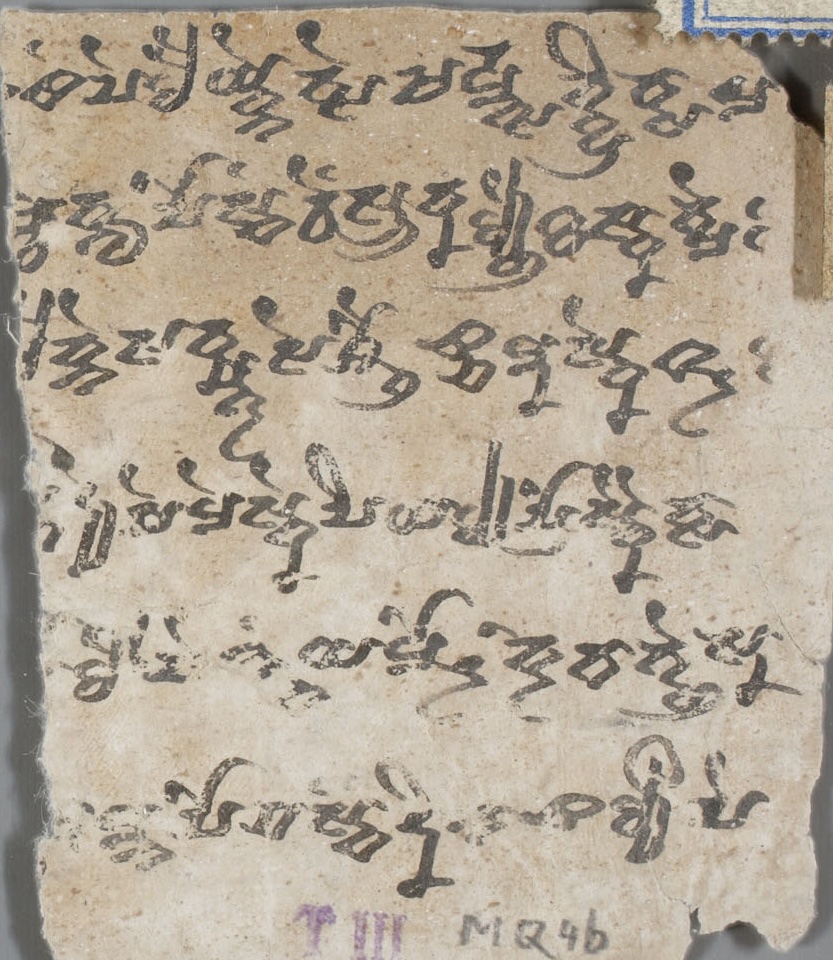
This paper focuses on local sources, such as archaeology, linguistics and iconography, to offer a new perspective on these cultural interactions. Firstly, it demonstrates how the identification of new lexical loanwords reveals the influence of China on Kuchean elites during the Han period. Next, it shows that a comparative analysis of Buddhist phraseologies makes it possible to identify a “Central Asian” cultural filter among early Chinese translators, despite the lack of texts translated directly from Central Asian languages. Finally, it illustrates how an in-depth analysis of the local text corpus can reveal new parallels with Chinese sources’ descriptions of “Kuchean” music.