
Conference on zoom at 5.30 PM by Alice Casalini (Junior Fellow, Harvard Society of Fellows).
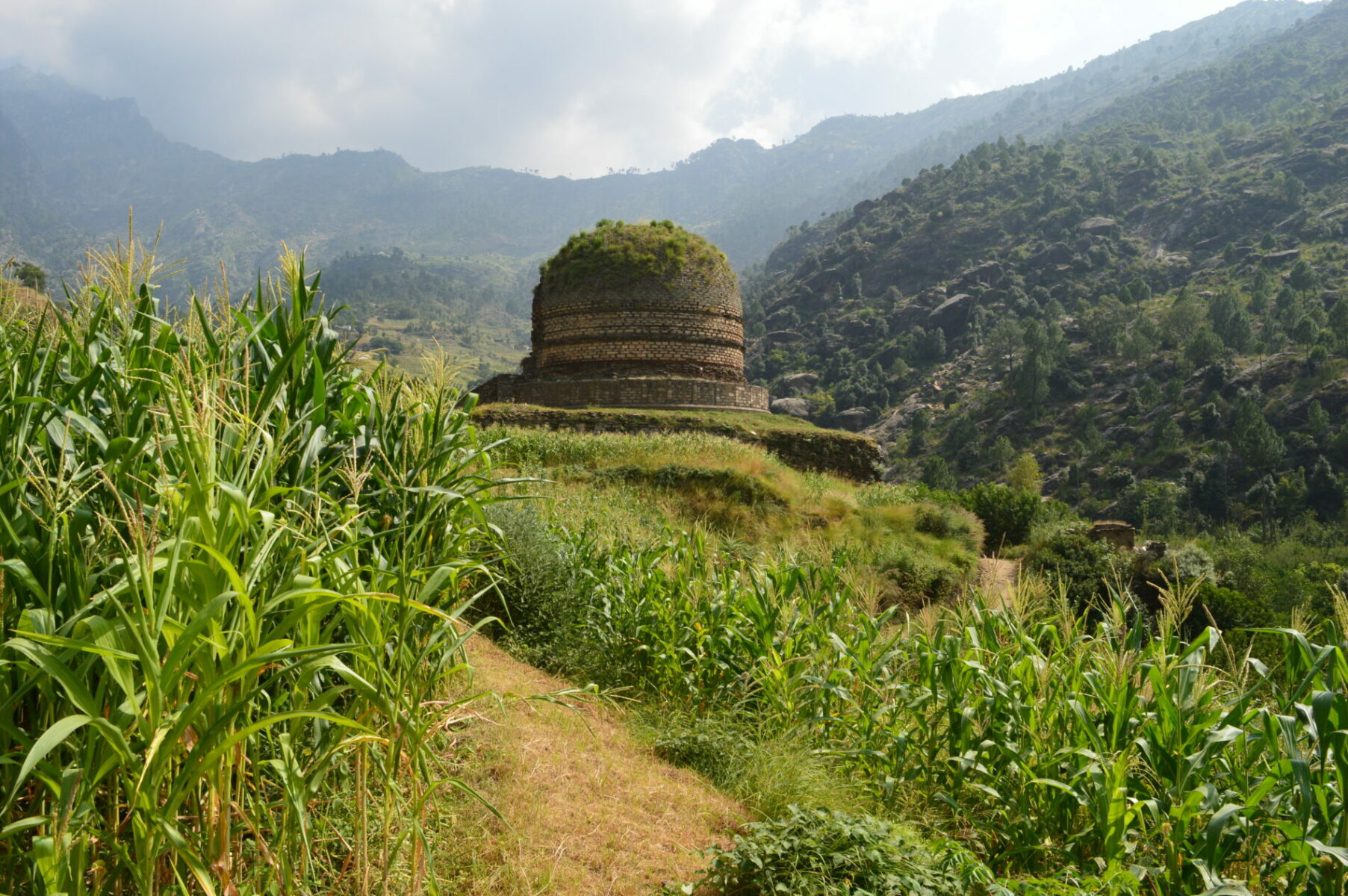
Between the first and fourth century CE, Gandhāra (in northwestern Pakistan and eastern Afghanistan) was a major center of Buddhist life in the South Asian subcontinent: from vibrant cities to remote mountainsides from Peshawar to Taxila, from Swat to Jalalabad, both urban and natural landscapes were teeming with Buddhist monasteries and monuments large and small. Though many of these sites now lie in ruins, archaeological excavations of the past new decades have shed a much-needed light on the day-to-day life of the Gandhāran monastic communities, as well as their relationship with both laity and non-Buddhist locals; they have also revealed several types of Buddhist monuments and offered reconstructions of their development over time. The talk discusses some of these reconstructions and asks what they can tell us about the religious life of Gandhāran Buddhist communities. Can archaeological reconstruction help recover past experiences, in particular religions ones; can they help us know (at least in part) what art historian Michael Baxandall called “The Period Eye?” How might we uncover the ‘Buddhist ways of seeing’ of Gandhāra?