
Conference on zoom at 5.30 PM by Dr. Manjiri Thakoor Founder V’aarsa, Craft Initiative, Prof D Y Patil School of Architecture, Navi Mumbai. Former Deputy Curator, National Gallery of Modern Art, Mumbai, Ministry of Culture, Government of India.
Lumbini Garden holds immense significance in Buddhism as the birthplace of Siddhartha Gautama, who later became known as Buddha. The narrative of the Buddha’s birth in Lumbini is replete with miraculous and symbolic events that underscore his divine nature and destiny. The Himalayas are considered a sacred region in Buddhism, often referred to as the “Abode of the Gods.”
The mountains are seen as a place of spiritual retreat, meditation, and enlightenment, where many sages and monks sought solitude to deepen their practice.
The Himalayas are home to numerous Buddhist monasteries, stupas, and pilgrimage sites, including Lumbini, the birthplace of Buddha, and Mount Kailash, which is revered in both Buddhism and Hinduism.
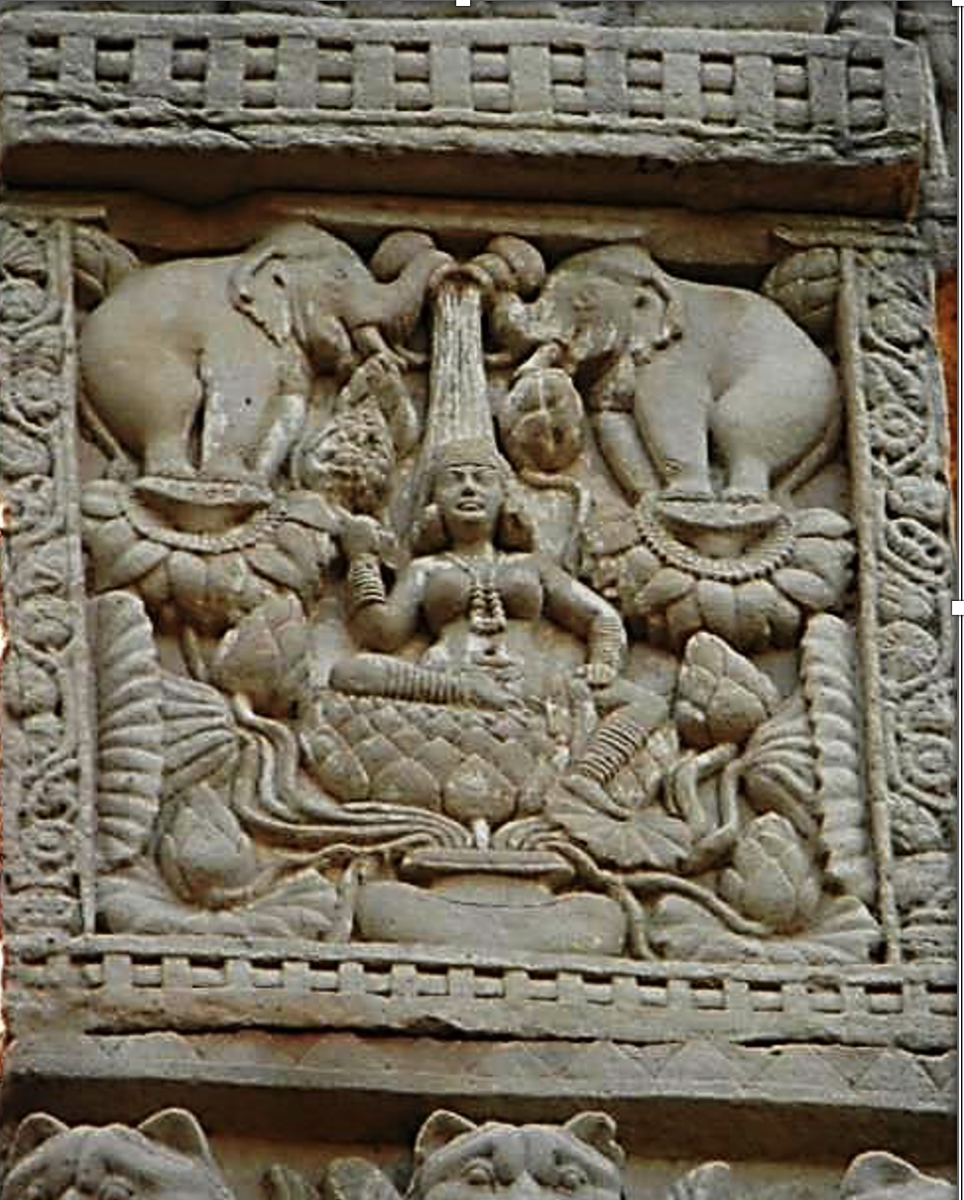
The Lalitavistara Sūtra contains several significant references to the lotus, which primarily symbolise purity, spiritual non-attachment, and divine birth. Lotus grows in muddy water, yet it appears beautiful and pure. Hence, it is called the essence of water. The combination of soil and water generates fertility. The lotus is connected to Buddha’s birth and nativity, and offering it to a stūpa signifies respect for Lord Buddha. The Jātaka and Avadāna mention birth on a lotus as a sign of being virtuous.
In Buddhist tradition, the lotus symbolises non-attachment to the sensual world. A unique botanical attribute of this flower is that, though it is water-born, the water does not cling to its leaves and petals but glides away. As a footstool of the Bodhisattva, the lotus came out of the pit. This resembles the way a Bodhisattva, as a human being, lived in the world yet remained above it. Sin and impurity glided off him just as water glides of the flower’s leaves and petals.